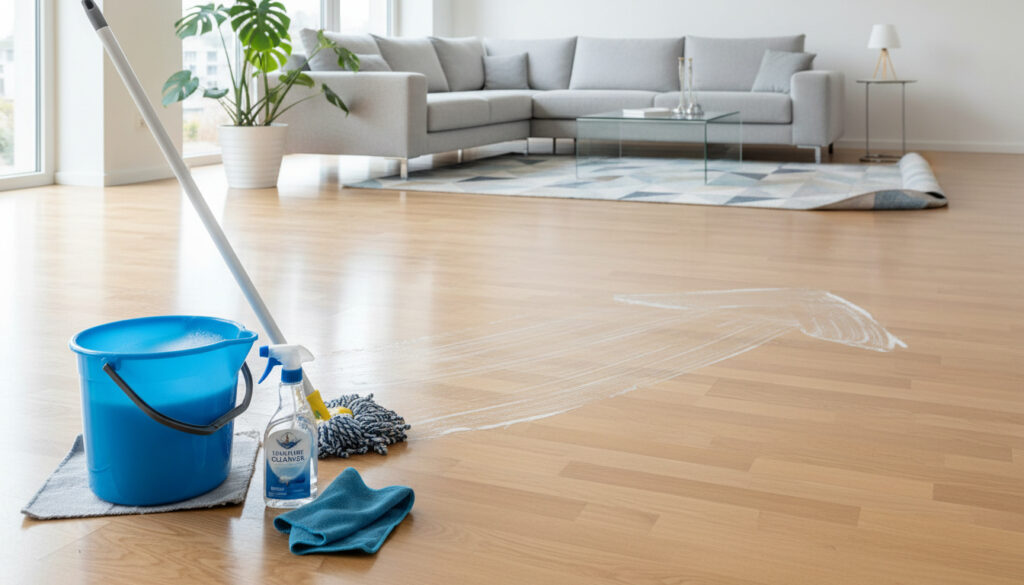
How to Clean Laminate Floors Properly – Step-by-Step Guide
Laminate flooring offers the aesthetic appeal of hardwood at a fraction of the cost, yet its synthetic composition demands specific care protocols distinct from natural wood or tile. Improper cleaning methods rank among the leading causes of premature wear, surface clouding, and structural warping in residential installations. Understanding the precise techniques for maintaining these surfaces protects both the visual integrity and the waterproofing barriers essential to longevity.
The material consists of multiple layers: a wear layer, a decorative photographic layer, and a dense fiberboard core. This construction makes laminate particularly vulnerable to moisture infiltration and abrasive particulates. While routine maintenance requires minimal time investment, the consequences of incorrect procedures—irreversible swelling, seam separation, and finish degradation—often necessitate costly replacement rather than repair.
This guide examines evidence-based methods for daily upkeep and deep cleaning, distinguishing between manufacturer-recommended practices and common misconceptions that compromise floor integrity.
How Do You Clean Laminate Floors Properly? Step-by-Step Guide
Safe Practices
- Sweep daily with soft-bristled brooms
- Damp mop only when necessary
- Dry immediately after cleaning
- Move with the grain direction
Avoid These
- Standing water or flood-mopping
- Steam mops on standard laminate
- Abrasive scrubbers
- Harsh chemical solvents
Essential Tools
- Microfiber mop
- Soft brush vacuum attachment
- Spray bottle
- Clean microfiber cloths
Quick Tips
- Wring mop until nearly dry
- Clean spills within minutes
- Use entry mats to reduce grit
- Test cleaners in hidden areas
- pH-neutral cleaners prevent chemical etching of the wear layer
- Microfiber materials absorb moisture without oversaturating seams
- Immediate drying eliminates the primary cause of edge swelling
- Grain-direction mopping prevents streaking and uneven evaporation
- Beater-bar vacuum attachments create microscopic scratches that dull finish
- Vinegar or rubbing alcohol solutions cut grime without residue buildup
- Minimal moisture application preserves the fiberboard core integrity
| Factor | Specification | Consequence of Ignoring |
|---|---|---|
| Sweeping Frequency | Daily in high-traffic zones | Accumulated grit scratches wear layer |
| Mopping Interval | Every 2-3 months minimum | Oily residue buildup creates slip hazards |
| Water pH Level | Neutral (7.0) preferred | Acidic/alkaline damage to surface seal |
| Mop Moisture Level | Nearly dry to touch | Core swelling and seam separation |
| Drying Time Target | 5-10 minutes maximum | Moisture penetration into fiberboard |
| Vacuum Setting | Hard floor mode, no beater bar | Surface scratching and finish removal |
Deep cleaning requires a methodical five-phase approach to prevent damage. Begin with thorough debris removal using a soft-bristled broom or vacuum with a soft brush attachment set to “hard floor” mode, ensuring the rotating beater brush remains disabled.
Prepare a laminate-safe solution by mixing one cup of white vinegar or rubbing alcohol with one gallon of warm water and a few drops of mild dish soap. Alternatively, use a pH-neutral laminate-specific cleaner diluted according to manufacturer specifications. The acidic components cut through grime without leaving streaks or film.
Mopping demands strict moisture control. Dip a microfiber mop into the solution, then wring thoroughly until the head feels nearly dry to the touch. Work in small sections, moving with the grain of the floorboards to prevent streaking and ensure even drying. Rinse the mop frequently to avoid redepositing soil. A spray bottle offers precise application control for spot cleaning.
Address stubborn stains by applying laminate cleaner to a soft cloth for sticky residues. For paint, nail polish, or adhesive marks, mineral spirits serve as the first-line treatment before considering harsher alternatives. Specialized cleaners designed for severe soil accumulation may restore very dirty floors when applied according to product instructions.
Immediate drying concludes the process. Buff the surface with a clean, dry microfiber cloth to eliminate remaining moisture and enhance shine. For large areas, deploy fans to accelerate air circulation and evaporation, ensuring no standing water remains to penetrate seams.
What Supplies and Cleaners Are Safe for Laminate Floors?
What Is the Best Mop for Laminate Floors?
Microfiber mops provide optimal performance for laminate maintenance due to superior absorption capabilities that lift moisture without oversaturating the flooring. Damp mops, dust mops, and dry mops all serve specific functions in the cleaning arsenal, though traditional string mops retain excessive water that risks seepage into plank edges.
What Is the Best Homemade Cleaner for Laminate Floors?
DIY solutions effectively clean laminate when mixed precisely. Combine one cup white vinegar or rubbing alcohol with one gallon warm water and minimal mild dish soap. This formulation dissolves oils and particulates without depositing residue. Plain mild soap and water mixtures offer a simpler alternative for routine maintenance.
Laminate manufacturers specify pH-neutral solutions because extreme acidity or alkalinity degrades the aluminum oxide wear layer over time. Test any new solution in an inconspicuous corner before full application.
Can You Use Swiffer on Laminate Floors?
Current technical documentation lacks specific manufacturer guidance regarding Swiffer product compatibility with laminate surfaces. The pre-moistened disposable pads may introduce excessive moisture or incompatible cleaning agents. Consult your specific flooring manufacturer before implementing disposable wet cleaning systems.
What Should You Not Use on Laminate Floors?
Can You Use Vinegar to Clean Laminate Floors?
White vinegar serves as an acceptable cleaning agent when properly diluted. The standard ratio of one cup per gallon of water provides sufficient acidity to break down grime without compromising the floor’s protective layers. Never apply undiluted vinegar, as the concentrated acidity may etch the surface over repeated exposure.
Can You Steam Mop Laminate Floors?
Steam mopping presents significant risks for standard laminate installations. Only waterproof or water-resistant laminate products installed in residential settings tolerate steam cleaning, and then strictly on the lowest setting. Standard laminate absorbs steam moisture rapidly, causing irreversible swelling and adhesive failure.
Standing water constitutes the primary threat to laminate flooring. The fiberboard core absorbs liquid through seams and edges, resulting in warping, bubbling, and structural delamination that no cleaning method can reverse.
Which Chemicals Damage Laminate Surfaces?
Avoid harsh chemicals, abrasive powders, and scouring pads that physically erode the wear layer. Ammonia-based products and bleach degrade the photographic print layer and top coating. Rotating vacuum brushes scratch the surface, while flood-mopping or wet-mopping saturates the substrate.
How Often Should You Clean Laminate Floors and Prevent Damage?
What Is the Optimal Cleaning Frequency?
Daily sweeping removes abrasive particulates that scratch the wear layer during foot traffic. Weekly vacuuming with appropriate attachments captures debris from grooves and embossed textures. Damp mopping should occur every two to three months for routine maintenance, though high-traffic households may require monthly attention.
How Do You Remove Scratches from Laminate Floors?
Technical documentation emphasizes scratch prevention rather than repair. Dirt and grit act as sandpaper underfoot; removing these particles before mopping prevents the microscopic scratches that dull the finish over time. Established methods for removing existing deep scratches from laminate surfaces remain unspecified in manufacturer guidelines. You can learn more about how to clean laminate floors by visiting convertir PDF a JPG.
Households with pets require increased vacuuming frequency in high-traffic corridors and feeding areas. Pet hair accumulates rapidly in static-prone environments and traps abrasive soil against the floor surface.
What Is the Recommended Maintenance Timeline for Laminate Flooring?
- Daily: Remove visible debris and spills immediately using a dry microfiber cloth to prevent staining and moisture penetration.
- Weekly: Sweep or vacuum high-traffic areas with a soft-bristled broom or hard-floor vacuum attachment, moving with the grain direction.
- Bi-monthly: Damp mop using a nearly-dry microfiber head and pH-neutral solution, working in small sections and drying immediately.
- Quarterly: Inspect floor protectors on furniture legs and replace worn felt pads that expose metal or plastic edges.
- As needed: Apply specialized laminate cleaner for stubborn stains, followed by mineral spirits for adhesive residues, always testing first in hidden areas.
Which Cleaning Practices Are Established Versus Uncertain?
Distinguishing between verified safe practices and unconfirmed methods protects flooring investments.
| Established Safe Practices | Uncertain or Unverified Methods |
|---|---|
| Damp mopping with microfiber | Swiffer wet jet systems (no manufacturer data) |
| pH-neutral cleaners diluted 1:128 | Pine-Sol and similar proprietary formulations |
| Vinegar solutions (1 cup/gallon) | Oil-based refreshers and restorers |
| Vacuuming without beater bars | Scratch repair markers and fillers |
| Immediate drying with microfiber | Long-term steam effects on “water-resistant” claims |
Why Does Laminate Flooring Require Specialized Care?
Laminate construction differs fundamentally from solid hardwood or vinyl alternatives. The fiberboard core consists of compressed wood fibers that expand when exposed to moisture, unlike plastic composites or sealed timber. Surface moisture must evaporate within minutes to prevent capillary action from drawing water into the substrate.
The wear layer, typically aluminum oxide or melamine resin, provides scratch resistance but offers no waterproofing at the seams. 1/3 Cup in Tbsp – 5 Tbsp + 1 Tsp Exact Conversion relates to precise measurement needs when mixing cleaning solutions, emphasizing the importance of accurate dilution ratios in floor care.
Proper technique extends functional lifespan by decades. Moving with the grain during mopping aligns cleaning strokes with the surface texture, preventing the streaking that occurs when moisture pools in embossed grooves. This directional approach ensures uniform drying and maintains the visual consistency of the decorative layer.
What Do Industry Sources Recommend for Laminate Maintenance?
Technical guidelines from flooring retailers and manufacturers emphasize prevention over correction. California Floors notes that doormats at entryways significantly reduce tracked-in abrasives that scratch surfaces during normal use.
Dirt and grit act like sandpaper—if not removed before mopping, every mop pass scratches the laminate.
— Flooring Maintenance Technical Demonstration
Floor & Decor specifications limit steam cleaning to waterproof laminate only, requiring immediate drying even in approved applications. Home Depot guidance confirms that standard laminate lacks the waterproofing necessary for steam exposure, while demonstration videos illustrate the immediate buffing required to prevent moisture damage.
What Are the Key Takeaways for Laminate Floor Care?
Successful laminate maintenance relies on three principles: minimal moisture application, immediate drying, and regular debris removal before it scratches the wear layer. pH-neutral solutions or properly diluted vinegar mixtures clean effectively without chemical damage, while microfiber tools provide the absorbency necessary for safe damp mopping. Gluten Free Graham Crackers – Best Brands from Taste Tests offers insight into product evaluation methodologies applicable when selecting certified laminate-safe cleaning products. Consistent adherence to manufacturer guidelines prevents the swelling and warping that necessitate premature floor replacement.
Frequently Asked Questions
Can you use Pine-Sol on laminate floors?
Current manufacturer documentation does not verify Pine-Sol compatibility with laminate surfaces. The product’s specific pH and oil content relative to laminate sealants remain untested in available technical literature.
How do you clean pet urine from laminate?
Blot immediately with absorbent cloths to prevent liquid penetration. Clean the area with a damp microfiber mop using diluted vinegar solution, then dry thoroughly. Never allow urine to pool as ammonia and moisture damage the fiberboard core rapidly.
What is the best commercial floor cleaner for laminate?
Select pH-neutral formulations specifically labeled for laminate or hard surface flooring. Avoid all-purpose cleaners containing wax, oil, or bleach that leave residue or degrade the aluminum oxide wear layer.
How do you clean laminate floors without streaks?
Move the mop parallel to the floorboards following the grain direction. Use a nearly-dry microfiber mop head and buff immediately with a clean dry cloth to eliminate evaporation lines.
Is dish soap safe for laminate floors?
Mild dish soap diluted properly (few drops per gallon) serves as an acceptable cleaning agent. Rinse the mop frequently to prevent soap residue buildup that creates slippery films and attracts additional dirt.
More related posts
 Low Platelet Count Meaning: Causes, Symptoms, and When to Worry
 Mr. Bean: Real Name, Net Worth, Age & Marriage Facts
 How to Make Matcha: Correct Method & Recipes
 78 Fahrenheit to Celsius: 25.56°C + Comfort Guide
 Best Ensaimada Near Me: Top 6 Bakeries in Mallorca
 Miguel Mora: Age, Height, Nationality, Movies & Social Media
 What Is REM Sleep – Cycle, Importance And Tips
 Jessica Tarlov Biography: Age, PhD, Salary, and Career
